



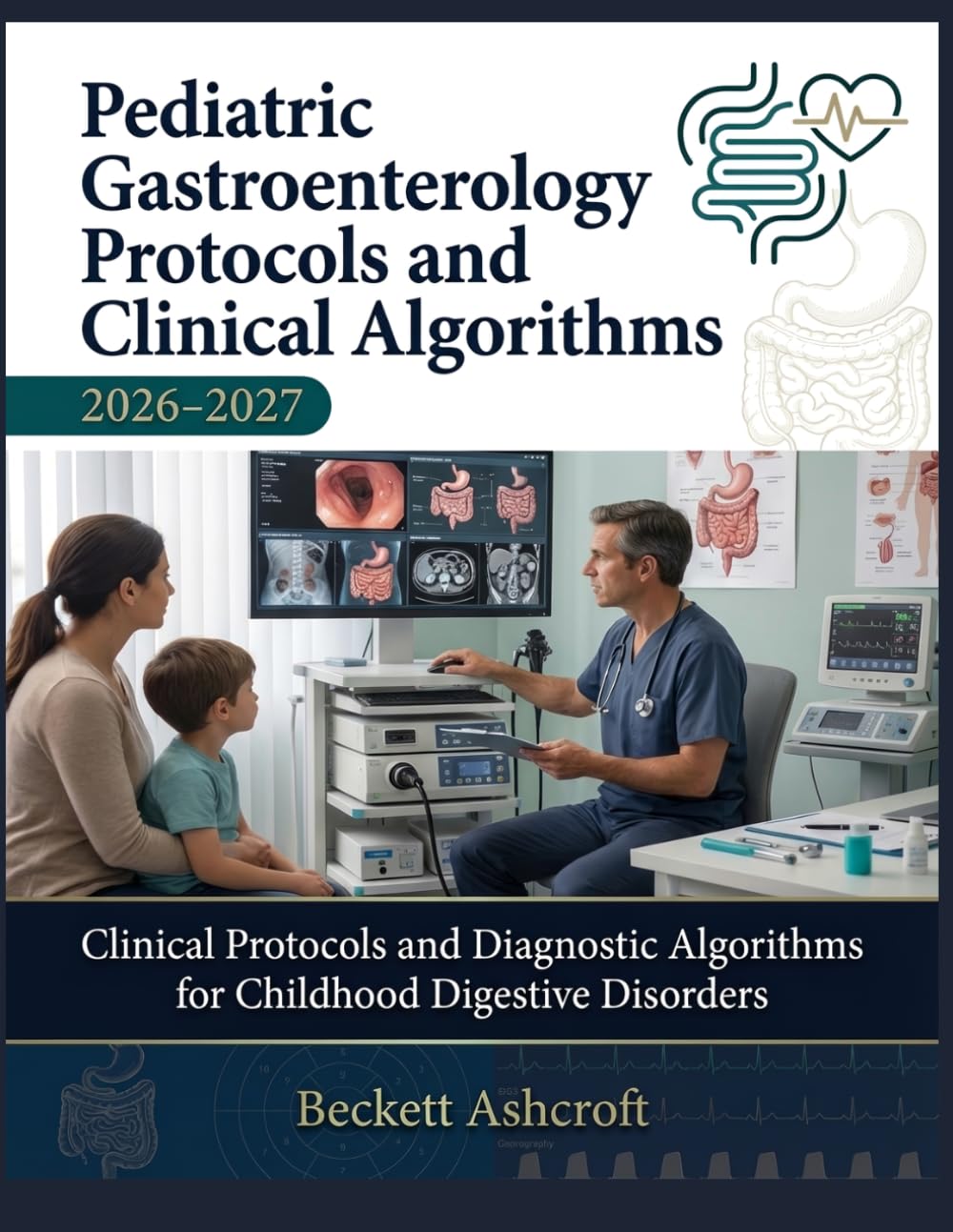
PEDIATRIC GASTROENTEROLOGY Protocols And Clinical Algorithms 2026-2027: Clinical Protocols and Diagnostic Algorithms for Childhood Digestive Disorders

 4.8 (65 items)
 Limited Time Sale
$26.40 cheaper than the new price!!
Free cash-on-delivery fees for purchases over $99
Product details
| Management number | 219251673 | Release Date | 2026/05/03 | List Price | $17.60 | Model Number | 219251673 | ||
|---|---|---|---|---|---|---|---|---|---|
| Category | |||||||||
PEDIATRIC GASTROENTEROLOGY: Systematic Care Protocols and Evidence-Based Management Pathways Protocol-Driven Clinical Systems for ABP Subspecialty Board Certification AchievementThis comprehensive pediatric gastroenterology guide is designed for fellows, subspecialty trainees, and pediatric GI professionals seeking a structured, protocol-driven approach to digestive disease diagnosis and management. The book emphasizes systematic evaluation protocols, standardized diagnostic algorithms, and evidence-based management frameworks essential for accurate subspecialty practice and consistent ABP Pediatric Gastroenterology Certification Examination performance.Rather than isolated facts or fragmented review, this text integrates clinical evaluation, endoscopic assessment, nutritional management, and outcome monitoring into a cohesive subspecialty practice model aligned with modern ABP certification requirements.What's Inside:GI Symptom Evaluation and Diagnostic Algorithm Systems — Abdominal pain, vomiting, diarrhea, GI bleeding, and failure-to-thrive structured diagnostic pathways with age-stratified clinical decision frameworks.Inflammatory Bowel Disease and Mucosal Disorder Protocols — Crohn's disease and ulcerative colitis diagnosis, disease activity scoring, biologic therapy algorithms, and monitoring systems.Hepatology and Liver Disease Management Pathways — Neonatal cholestasis evaluation, autoimmune hepatitis, metabolic liver disease, portal hypertension, and liver transplant indication frameworks.Motility, Functional GI Disorder, and Nutrition Protocols — GERD management, constipation algorithms, Rome criteria application, enteral and parenteral nutrition pathways, and short bowel syndrome frameworks.Endoscopic Procedure and Procedural Safety Standards — Upper and lower endoscopy indication protocols, sedation standards, biopsy interpretation frameworks, and complication management systems.Quality Improvement and Outcome Accountability Systems — Protocol adherence tracking, multidisciplinary coordination standards, nutrition outcome monitoring, and continuous improvement methodologies.Why This Book Works:Guideline-Centered Content — Reflects current NASPGHAN and ESPGHAN clinical practice guidelines essential for subspecialty practice and board examination preparation.Age-Stratified Protocol Architecture — Organizes management frameworks around developmental and physiologic differences from neonates through adolescents throughout every chapter.Integrated Nutrition and GI Systems — Embeds nutritional assessment and intervention pathways alongside diagnostic and therapeutic protocols throughout the text.Exam-Oriented Structure — Aligns with ABP subspecialty content domains and supports efficient, systematic board review.Ideal For:Pediatric gastroenterology fellows and traineesABP subspecialty certification candidatesPediatric hospitalists managing GI conditionsPediatric dietitians and advanced practice providersClinical educators and fellowship program directorsAdvance Pediatric Gastroenterology Competency and Certification ConfidenceThis guide sharpens diagnostic precision, reinforces evidence-based management protocols, and establishes systematic clinical frameworks essential for comprehensive subspecialty practice and ABP certification success.Disclaimer: This publication is an independent educational resource not affiliated with, endorsed by, or sponsored by the American Board of Pediatrics, NASPGHAN, or ESPGHAN. Content is provided for educational and exam preparation purposes. Read more
| ISBN13 | 979-8252021935 |
|---|---|
| Language | English |
| Publisher | Independently published |
| Dimensions | 8.5 x 0.57 x 11 inches |
| Item Weight | 1.6 pounds |
| Print length | 249 pages |
| Publication date | March 14, 2026 |
Bestseller ranking
Digestive Organs






Customers who viewed this product also viewed
Prototyping Boards & Accessories





Correction of product information
If you notice any omissions or errors in the product information on this page, please use the correction request form below.
Correction Request Form